Batik occupies a useful position in formal dressing here, accepted at weddings, corporate functions, and official events where a plain shirt would feel underdressed and a suit overdressed. The difficulty is that the range sold covers everything from genuinely formal pieces to holiday shirts, and the difference is not always obvious on a rack. A shirt that looks excellent in a shop can read as noticeably casual among the other guests. Five styling factors separate the two, and they are worth checking before buying from any batik shop in Singapore for a specific occasion.
1. Motif Scale Relative to Your Build and the Occasion
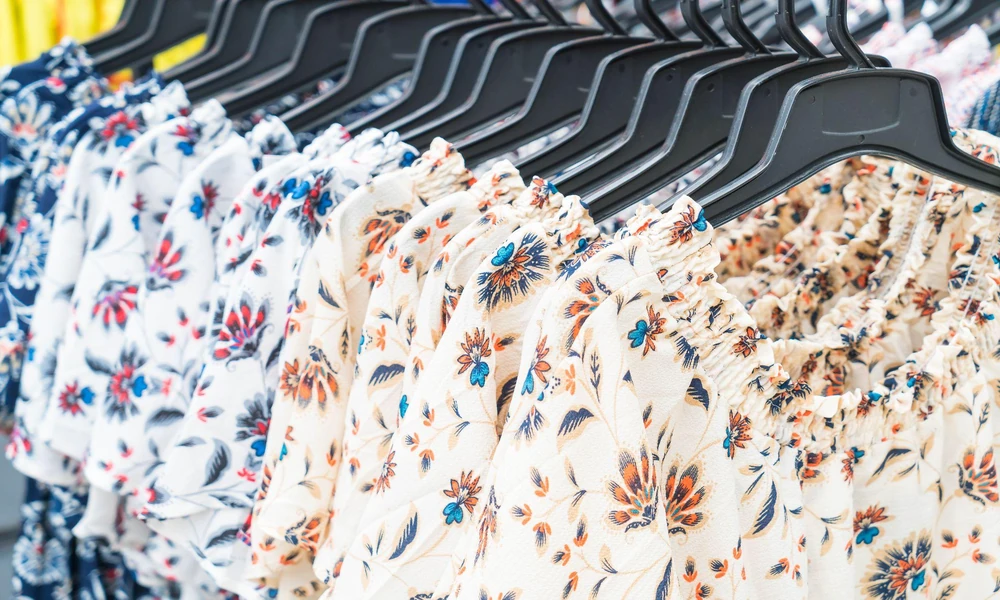
Scale does more work than colour in determining formality. Large, widely spaced motifs read as relaxed and draw attention, while finer, denser patterns read as considerably more formal.
Scale also interacts with build. A large motif on a smaller frame dominates, and a very fine pattern on a larger frame can disappear into visual texture. Holding the fabric against yourself in a mirror, rather than judging from the hanger, shows this immediately.
For weddings and corporate events, finer patterns are generally the safer choice unless the invitation signals otherwise.
2. Colour Depth and How It Sits Alongside Formal Dress
Deeper, more saturated colours read as formal. Lighter grounds with high-contrast patterning read as casual regardless of how fine the motif is.
Consider also what others will be wearing. At an evening wedding where most guests are in dark colours, a bright shirt stands out in a way that may or may not be intended. Anyone buying a men’s shirt in Singapore specifically for a formal occasion should ask the shop what tends to be worn at that type of event, since staff who dress people for weddings weekly have a far better read on it than a general principle does.
3. Collar Style and Whether the Shirt Is Cut to Be Tucked
Collar construction signals formality quickly. A structured collar that holds its shape reads as dressier than a soft, unstructured one, and the difference is visible in photographs.
Equally important is the cut. Shirts designed to be worn untucked have a straighter, shorter hem; those intended for tucking are longer with a curved tail. Wearing an untucked-style shirt tucked, or the reverse, looks wrong in a way people notice without identifying why.
4. Fabric Weight and How It Performs Across an Event
A formal event often means several hours, frequently with outdoor components and photographs throughout.
Lighter cottons breathe better and crease more visibly. Heavier fabrics hold their shape and feel warmer. Silk blends drape well and show perspiration more readily. There is a genuine trade-off, and the right answer depends on whether the event is air-conditioned, outdoors, or a mix.
Ask how the fabric behaves after a few hours of wear, since this is exactly the information a good shop has and a product label does not.
5. Fit Through the Shoulders and Body
Batik shirts are frequently cut generously, which suits some occasions and undermines formality at others. A shirt that fits properly through the shoulders and skims rather than drapes through the body reads considerably dressier.
Shoulder seams should sit at the edge of the shoulder, and sleeves should end around the wrist bone. Where a shirt is right in the body and loose elsewhere, alteration is usually straightforward and worth the small additional cost.
Trying It On Properly Before the Day
The practical advice is simple and routinely ignored: try the shirt on with the trousers and shoes you intend to wear, in full light, and sit down in it. A shirt that works standing in a fitting room sometimes pulls awkwardly when seated, which matters at an event involving a long dinner.
Where the occasion has any stated dress code, check the shirt against it rather than assuming batik is universally acceptable, since some events specify particular attire. Allowing enough time before the date for alterations removes the last-minute compromise that otherwise decides the matter.
Contact Anmako Singapore to try batik shirts suited to the specific event and dress code you are attending.