Storage boxes come in many shapes and systems, but two broad approaches dominate: stackable boxes that sit on top of each other and modular systems designed to fit together in a grid or frame. Each suits different spaces and needs. Choosing the right storage box singapore option depends on what you are storing, how often you access it and how much space you have. This article compares stackable and modular designs to help you decide.
What Stackable Boxes Are
Stackable boxes are designed to be placed on top of one another, usually with lids or rims that lock or nest together. They are simple, versatile and widely available. They suit storerooms, wardrobes and warehouses where items are stored in bulk. Stackable boxes can be moved, rearranged and combined easily, making them a flexible choice for many households and businesses. Many designs also nest inside one another when empty, saving space when they are not in use.
What Modular Systems Are
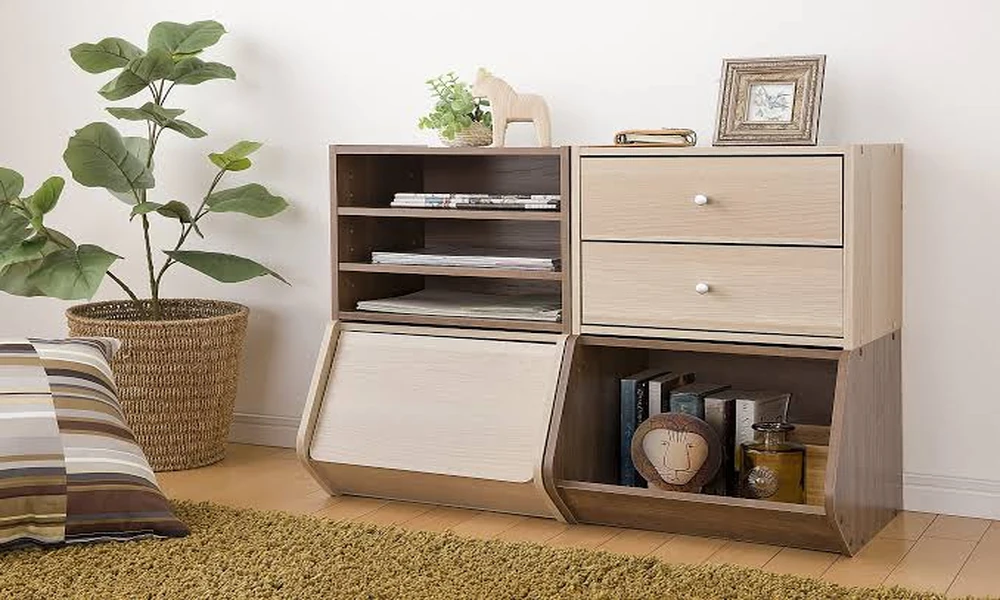
Modular storage systems consist of boxes, drawers or bins designed to fit together in a uniform arrangement. They may slot into frames, shelving units or wall panels. Modular systems create a tidy, organised look and allow easy access to individual units without moving others. They are popular in offices, workshops, retail stores and homes where frequent access is needed. Some systems include dividers, so one unit can be split for smaller items.
Access and Convenience
Access is one of the main differences. With stackable boxes, reaching an item in the bottom box often means lifting the ones above. This suits items accessed occasionally. Modular systems allow each unit to be opened or removed independently, which suits frequently used items. Considering how often you need access helps determine which design is more practical. In busy workshops or stores, the time saved on access can outweigh any difference in purchase price. Labelling the front of each stack helps reduce unnecessary lifting.
Space Efficiency
Both designs can use space efficiently, but in different ways. Stackable boxes make good use of vertical space in storerooms and wardrobes. Modular systems maximise space within frames or shelving, creating dense, organised storage. For small homes, consider whether you have open floor space for stacks or wall and shelf space for modular units. Measuring the space and sketching a simple layout before buying avoids mismatched sizes.
Load and Durability
Stackable boxes must support the weight of boxes above them. Sturdy materials and strong rims are important, especially for heavy items. Modular systems distribute weight across frames or shelves, reducing stress on individual units. For heavy industrial items, robust stackable crates or bins are common. For lighter items, modular units may be sufficient. Check the stated load rating and never stack heavier than the manufacturer recommends. Rigid plastics also resist warping in hot storerooms better than thin, flexible ones.
Flexibility and Expansion
Stackable boxes are easy to add or remove as needs change. Modular systems can also be expanded, but additional units must match the existing system. Consider future needs when choosing. If your storage requirements are likely to change, stackable boxes offer more flexibility. If you want a consistent, organised system, modular units may be better. Buying from a supplier with a consistent product range makes it easier to add matching units later.
Appearance and Organisation
Modular systems often create a neater, more uniform appearance, which suits visible areas such as offices, retail spaces or living rooms. Stackable boxes can look tidy too, especially when matching sizes and colours are used, but they are often placed in storerooms or behind doors. Anyone comparing storage box singapore options for a visible area should consider how much appearance matters in that space. Matching colours across a set of boxes gives a calm, uniform look even in a small flat.
Typical Uses for Each Design
Each design suits different situations. Common examples include:
- Stackable boxes for seasonal items, archives and bulk storage
- Modular bins for tools, parts and supplies
- Stackable crates for warehouses and logistics
- Modular drawers for offices and craft rooms
Matching design to use makes storage more effective.
Cost Considerations
Stackable boxes are generally affordable and widely available. Modular systems may cost more, particularly when frames or shelving are included. However, modular systems can save time in frequently accessed spaces. Consider both the upfront cost and the long-term convenience when comparing options. Durable boxes that last many years often work out cheaper than replacing light ones frequently. Ask suppliers about bulk pricing if you plan to fit out a whole storeroom or workshop.
Choosing the Right Option
Think about what you are storing, how often you need it and where it will be kept. A combination of both designs often works well, with stackable boxes for long-term storage and modular units for daily items. Questions to consider include:
- How often will items be accessed?
- How heavy are the contents?
- How much space is available?
- Will storage needs change?
For durable options suited to homes and businesses, a supplier of industrial plastic storage boxes offers both stackable and modular designs.